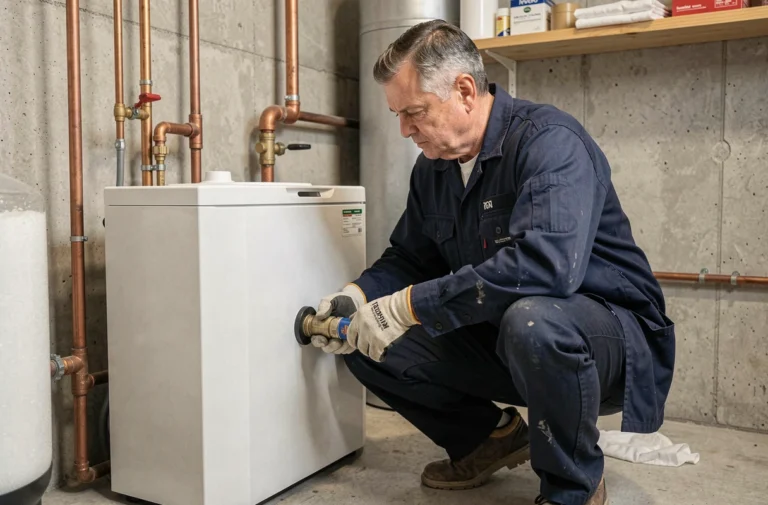
Mastering hill starts often poses a challenge for drivers, especially for those getting accustomed to a manual transmission. This essential skill requires precise coordination between the clutch, accelerator, and brake. The right balance of these elements can prevent the vehicle from rolling back, stalling the engine, or prematurely wearing out the clutch. With the emergence of driving aids such as hill start assist, even modern vehicles benefit from mastering this technique. Practical tips can help drivers refine their technique on inclines.
Mastering the balance between clutch and accelerator
The hill start exercise showcases a mechanical ballet where the driver must skillfully juggle between the clutch pedal and the accelerator pedal. The key to success lies in the ability to find the bite point, that delicate moment when the clutch begins to partially transmit the engine’s power to the wheels without moving the vehicle. At this point, the car neither rolls back nor moves forward, balancing on an incline.
Gradually releasing the clutch until feeling this bite point while slightly increasing pressure on the accelerator is the essence of the technique to master hill starts. A sudden press on the accelerator or a too-quick release of the clutch can lead to stalling or, conversely, excessive acceleration and premature clutch wear. Experienced drivers know that this coordination must adjust according to the slope and the vehicle’s load.
Practicing this coordination requires attentive listening to the engine and responsiveness to the vehicle’s feedback. A successful hill start is often the culmination of a series of attempts, where each try brings the driver closer to perfect harmony between the clutch and the accelerator. Novices will benefit from practicing in varied conditions, ensuring they develop the ease that will be essential in unexpected situations or during the driving test.
Advanced hill start techniques
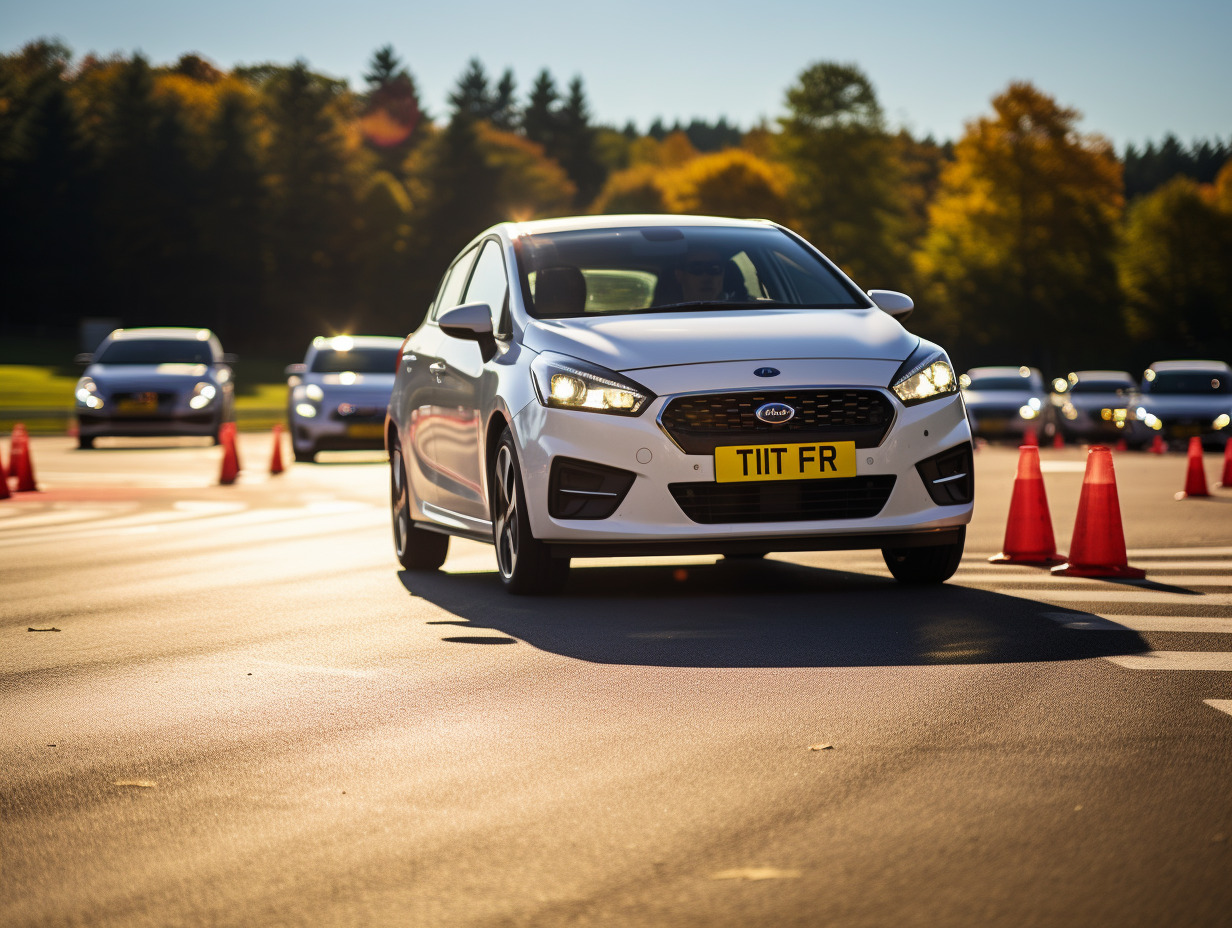
When faced with the challenge of an incline, two methods stand out for a safe and effective hill start. The handbrake technique, often recommended in steep situations, allows the vehicle to remain stationary without the driver needing to keep their foot on the brake pedal. With this method, the driver can focus solely on the clutch and accelerator. Gradually release the handbrake in parallel with increasing acceleration and releasing the clutch to ensure a smooth and jerk-free start.
Drivers of modern vehicles can benefit from the electric handbrake, which further simplifies the maneuver. With the press of a button, the brake automatically disengages once the vehicle has enough torque to move forward. This technological advancement reduces the effort required and minimizes the risks of stalling or rolling back.
For vehicles equipped with a automatic transmission, hill starts are performed with notable ease. The ‘P’ position of the transmission acts as a handbrake, preventing the vehicle from rolling back. However, drivers should keep in mind that even with an automatic transmission, they must modulate the acceleration to avoid premature wear of the torque converter. Consider the degree of incline and adjust the pressure on the accelerator to initiate a smooth hill start.