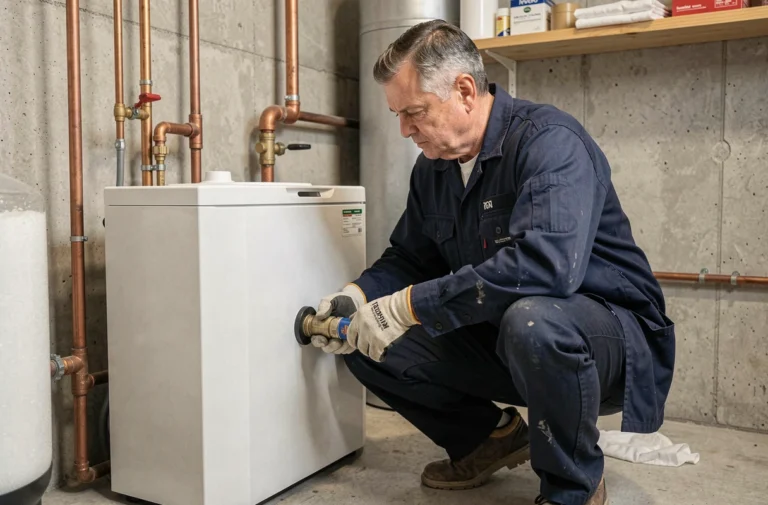
Facing climate challenges and the urgent need to reduce greenhouse gas emissions, households are increasingly encouraged to rethink their heating methods. Traditional systems like gas or oil boilers, widely used, are proving to be poorly compatible with sustainable development goals. Fortunately, alternative solutions exist, combining energy performance and environmental respect. These options include various technologies such as heat pumps, biomass boilers, solar thermal panels, and geothermal heating systems. Each offers advantages and disadvantages, but all are part of a more responsible domestic heating approach.
New Trends in Eco-Friendly Heating
Heating accounts for 60% of domestic energy consumption according to ADEME, and the quest for more eco-friendly heating is now at the heart of the energy transition. Technological advancements and material innovations offer a range of promising eco-friendly heating systems. Among these solutions, the heat pump, whether air/water, air/air, or geothermal, has distinguished itself as a central heating method prioritizing the use of renewable energy. Through aerothermal and geothermal technologies, these devices transform energy present in the environment into domestic heat, significantly reducing the carbon footprint of homes. Additionally, the biomass boiler is gaining ground, harnessing the potential of biomass as a sustainable energy resource. Fuels such as miscanthus pellets for heating are being studied for their high efficiency and clean combustion. This alternative, beyond minimizing dependence on fossil fuels, contributes to the emergence of a heating market resolutely focused on eco-citizenship. Similarly, condensing gas boilers continue to evolve, offering better energy performance and reduced pollutant emissions. As for solar thermal panels, they capture heat from sunlight, not only for heating but also for producing domestic hot water. This technology, which harmonizes perfectly with passive or low-energy homes, reflects the commitment of manufacturers and consumers to environmentally friendly heating solutions. The synergy between these different technologies and their implementation tailored to the specific needs of each household is key to a decidedly more responsible domestic heating approach.

How to Adopt a More Responsible Domestic Heating?
To effectively reduce the carbon footprint of our homes and lighten energy bills, adopting eco-friendly heating systems is essential. Eco-friendly actions, such as optimizing insulation or precisely adjusting thermostats, accompany this approach. Investing in technologies such as heat pumps or biomass boilers, which utilize renewable resources, is imperative. These choices, beyond their environmental benefits, generate notable savings in the long term, allowing for more responsible energy consumption management. The transition to more responsible domestic heating also revolves around financial aid mechanisms. Programs like MaPrimeRénov’, Energy Savings Certificates (CEE), or the Zero-Interest Eco-Loan (Éco-PTZ) facilitate access to eco-energy equipment. These incentive measures aim to encourage homeowners to undertake energy renovation work. Consider these opportunities to finance the installation of solutions such as heat pumps or condensing boilers, thus optimizing the energy performance of your home. Individuals’ commitment to this energy transformation also involves a thorough understanding of the available options. Inform yourself about different alternatives, such as solar thermal panels or boilers using biomass, and consider their compatibility with your home. Consult professionals for a personalized assessment of your needs and an estimate of the expected benefits. Each consumer becomes an actor in the energy revolution by choosing a heating system that is suitable, efficient, and ecologically viable.