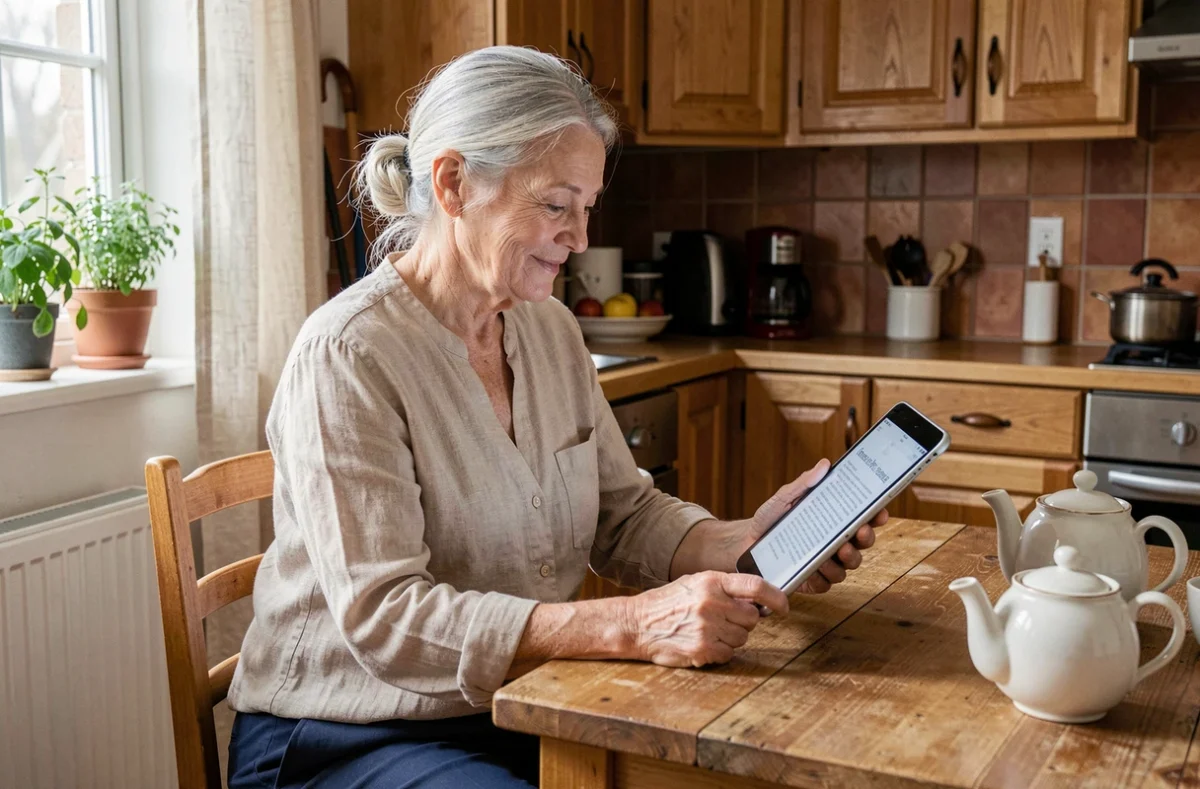
Supporting older people at home depends on a delicate balance between adapting the home, coordinating support and ensuring professionals are available. When one of these pillars falters, the plan to age well at home can turn into crisis management. Planning ahead means more than installing grab bars: it means building a support system that can keep pace with gradually increasing needs.
Staff shortages in home care: the real limit to aging at home
The home care sector faces a structural shortage of professionals. Market forecasts confirm that demand is growing faster than recruitment, creating a bottleneck well before the home itself becomes a problem.
Adapting a bathroom or installing a stairlift is pointless if no one is available to provide daily hours of personal care. Assistive equipment cannot make up for a lack of human support. Families planning for an older person to remain at home need to factor in this constraint from the outset, not wait until their loved one’s loss of independence accelerates.
In practice, this means identifying local home care services, checking their actual capacity to provide support and making contact before the need becomes urgent. Getting in touch early with local organizations, including through platforms such as https://www.ideosenior.fr, helps map the resources available in the area.
Coordinating support between family caregivers and professionals
The responsibility often falls on one primary caregiver, usually the older person’s child. When that caregiver burns out or moves away, the support system can collapse for lack of backup. Having a plan B means clearly defining roles: who provides support during the week, who takes over at weekends, and which service handles nighttime emergencies.
A sustainable plan for aging at home requires at least three identified caregivers or service providers. A single point of failure can be enough to lead to hospitalization or an unwanted move into residential care.
Home adaptation work: the gap between needs and funding timelines
Funding programs are available. MaPrimeAdapt’, support from pension funds and the APA cover some home adaptation costs. A shared application form now allows people to submit a single request, which is forwarded to the appropriate organization even if it was sent elsewhere.
The problem is the wait. Several months can pass between preparing the application, its review and the release of funds. Home adaptation work should begin before independence is lost, not in response to a fall or hospitalization. Waiting until the need arises creates a period of vulnerability when the home is no longer suitable but has not yet been adapted.
Prioritizing work according to actual risk
Not all adaptations have the same impact on safety. Priorities should be based on how often an area is used and the level of risk:
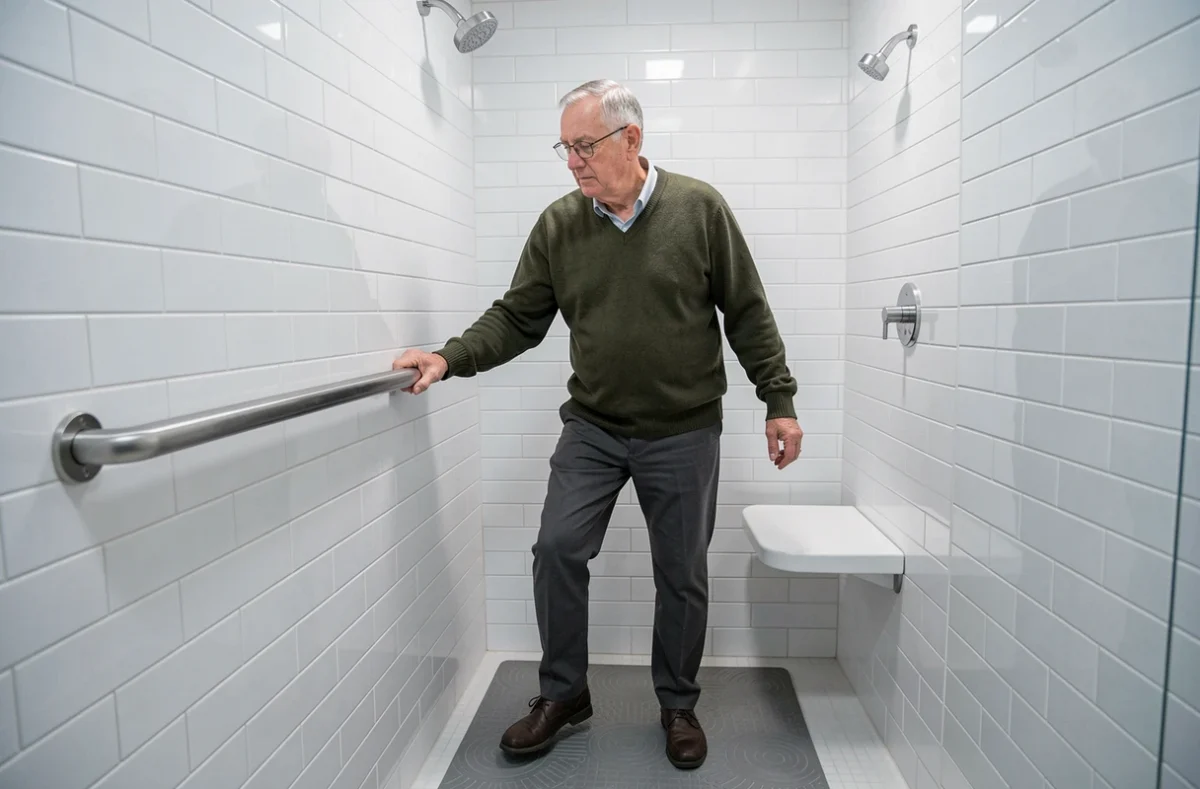
- Most falls at home happen in the bathroom. Replacing the bathtub with a level-access shower, installing grab bars and adding non-slip flooring provide the essential minimum.
- Night lighting along routes through the home (hallways, stairs and the path to the bathroom) reduces falls caused by nighttime movement, which is common among older people.
- Improving access to the entrance and installing motorized shutters eliminate risky physical tasks that are repeated every day.
Prioritizing these three areas addresses most common fall hazards, even on a limited budget.
In-home assessments: an underused tool for prevention
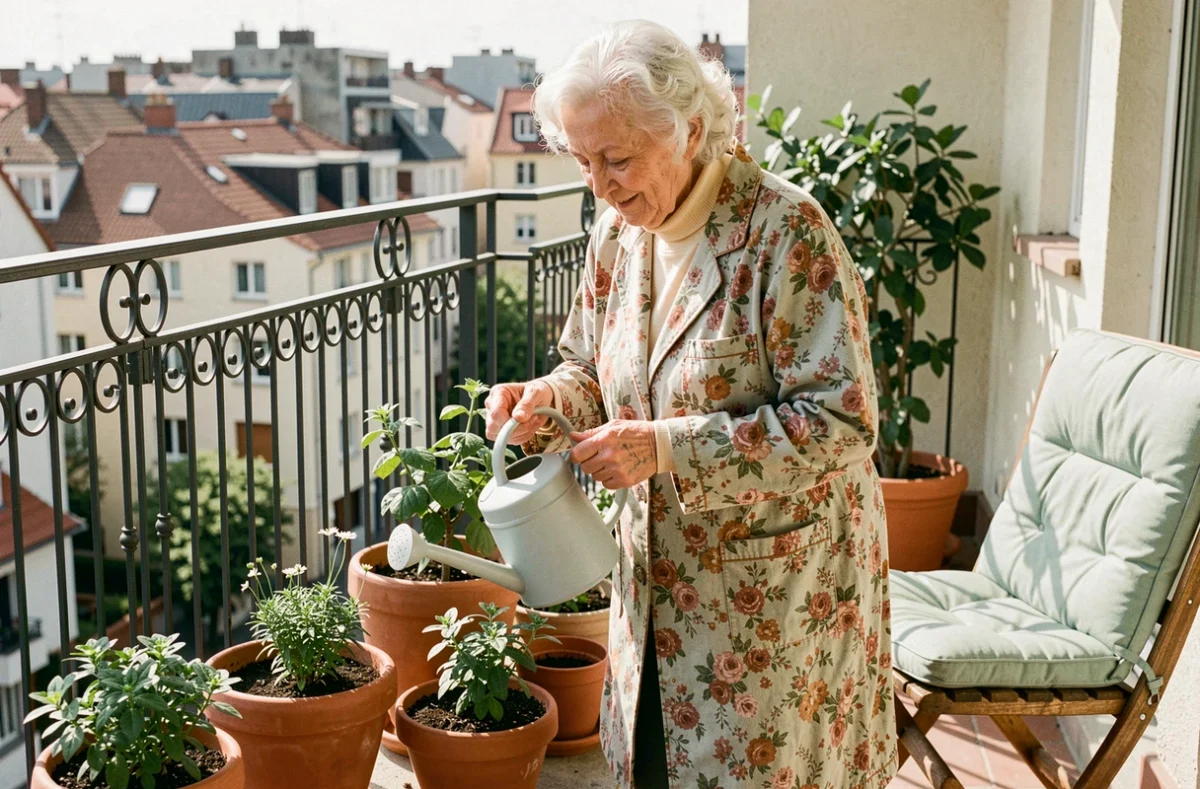
An in-home assessment is more than an administrative step for obtaining the APA. When carried out early, before the situation deteriorates, it becomes a valuable prevention tool. A trained assessor can identify needs that the older person or their family may have overlooked: a hazardous doorway threshold, a kitchen poorly arranged for someone with declining mobility, or social isolation that is accelerating cognitive decline.
A preventive assessment can uncover needs the person has not expressed themselves. It makes it possible to address specific issues before they become risk factors for falls or loss of independence.
When to request an assessment
Don’t wait for a triggering event. Two warning signs to look out for are new difficulties with everyday tasks (getting up from a chair, climbing stairs or preparing a meal) and gradually withdrawing from social life (going out less often and making fewer phone calls).
A family doctor, CCAS or pension fund can refer someone for an assessment. The shared application form makes the process easier: a single request is enough to direct it to the right contact.
Everyday health and social connection: two essentials the home cannot replace
A perfectly adapted home is not enough. Physical health and maintaining social connections are just as important as practical adaptations in determining how long someone can remain at home.
Regular physical activity, even at a modest level (daily walks or balance exercises), helps preserve muscle mass and reduce the risk of falls. Pension funds offer prevention workshops that combine adapted physical activity with cognitive stimulation. We find that older people who take part in these programs maintain their independence longer than those who rely solely on home adaptations.
Social connection plays a similar role. Isolation accelerates cognitive decline and reduces motivation to maintain the home, cook or go out. Meal delivery services, friendly visits and group activities are not optional extras: social connection is just as important to aging at home as adapting the home.
- Identify at least one weekly social activity that is accessible without complicated transportation (a neighborhood association, walking group or municipal workshop).
- Set up a daily check-in system, even a brief one: a phone call, a visit from a neighbor or a personal alarm service.
- Plan ahead for reduced mobility by identifying locally available accessible transportation services.
Aging at home is about more than a checklist of renovations and equipment. It is a living support system that must evolve with the person. Each passing year changes the balance between what the older person can do alone, what their loved ones can provide and what professionals are able to offer. Regularly reassessing that balance, without waiting for a crisis, is the only strategy that stands the test of time.