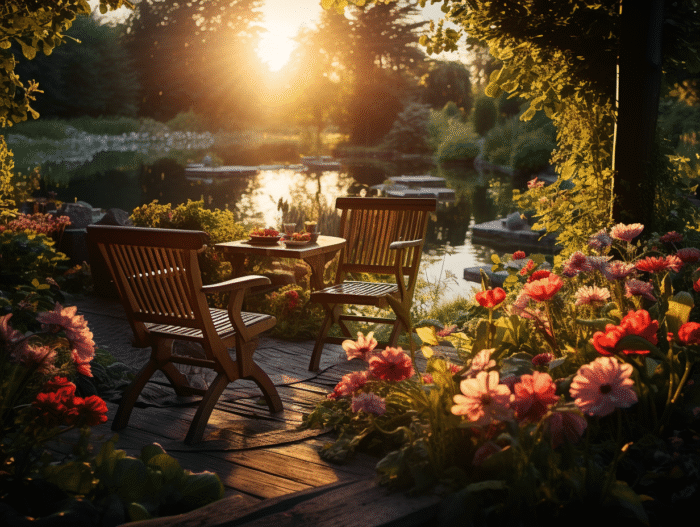
The art of creating a harmonious garden relies on the delicate balance between aesthetics and functionality. Gardening enthusiasts often draw on a varied palette of plants, textures, and colors to design an outdoor space that invites relaxation. By integrating elements such as water features, sculptures, or winding paths, one can enrich the sensory experience. Harmony also arises from considering the life cycles of plants and their arrangement, anticipating variations throughout the seasons. Inspirations and ideas flourish for those who aspire to shape a personalized haven of peace.
The basic principles for a harmonious garden
To create a harmonious garden, it is essential to choose plants and trees based on their future location in the green space. Light, moisture, and soil type dictate their careful selection. Japanese gardens, for example, are defined by a quest for serenity and balance, offering a space for meditation and reflection. Meanwhile, modern or zen gardens favor clean lines and structured volumes, often enhanced with terraces and shade sails for perfect integration with the built environment.
The landscape garden, designed as a living work of art, takes into account the characteristics of the land and the species of plants suited to it. This type of landscaping, which can be carried out by a landscaper in Paris or other metropolises, enhances every corner through the play of shapes, colors, and textures. Garden staging, on the other hand, is a process used to enhance a garden when selling a property, highlighting its appeal and potential.
Adopting an approach of Organic Gardening, by avoiding chemical products, promotes a healthy environment for wildlife and flora. This involves a deep understanding of natural cycles and the interactions between different plant species. Practices such as composting, crop rotation, and the use of disease-resistant plants are undeniably useful for maintaining ecological balance.
The functional aspect should not be overlooked. Creating paths, rest or play areas, integrating a vegetable garden or a pergola covered with climbing plants enriches the garden experience. These elements should be conceived in harmony with the overall aesthetics and practical constraints, to create a place that is both beautiful and livable, where each plot finds its purpose in the overall picture.

Creative ideas to personalize your green space
In the arsenal of the creative gardener, climbing plants present themselves as vertical artists, capable of transforming a simple trellis into a wall of lush greenery. Passionflower, morning glory, clematis, jasmine, wisteria, or ivy, these species stand out for their vigor and ability to embrace pergolas and trellises. The Bianca vine, in particular, offers the dual advantage of dense foliage and delectable fruits. For shaded areas, the choice falls on camellias or hydrangeas, while lavender and santolina, soaked in sunlight, enhance the sunny parts of the garden.
Plants adapted to the local climate are indispensable allies for a resilient and low-maintenance garden. Succulents like Echeveria, known for their ease of cultivation, acclimate perfectly to dry regions such as the Mediterranean coast. In northern gardens, Long White summer heather offers a refined aesthetic and flawless adaptation. Perennials, such as marigolds, and annuals, including cosmos, play with a palette of colors and shapes, ensuring a flowering spread over several months.
Diversify your green space by integrating a vegetable garden or transforming a balcony into a terrace-garden. These spaces, in addition to bringing a touch of edible freshness, encourage beneficial biodiversity. Drought-resistant plants, such as lavenders and santolina, minimize watering and care, while the evergreen honeysuckle, capable of reaching over 5 meters in height, serves as a centerpiece in creating a vertical and fragrant garden.