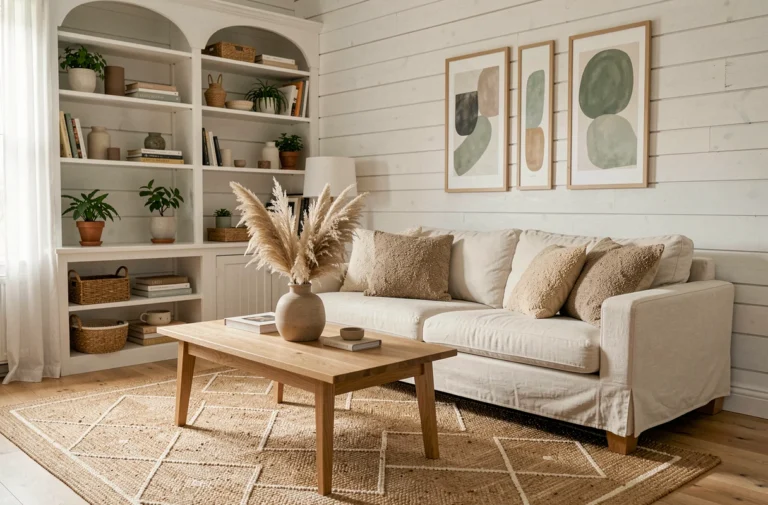
Neglected ventilation sometimes weighs more heavily on the energy bill than outdated windows. Lowering the heating by two degrees is not a sacrifice: it’s an immediate 15% saving. While the connected home is a dream, many still struggle with the basic settings of their boiler or radiators. However, optimizing comfort doesn’t necessarily require investment: some free adjustments can truly make a difference. Standards are changing, habits cling on, and it is often in this gap that the biggest potential for improvement lies.
What really hinders comfort at home: an overview and misconceptions
Comfort at home is built far from slogans. The major obstacles rarely take the form of a poorly chosen sofa. First and foremost, it is the weaknesses in the structure of the home that come into play: insulation that lets heat escape in winter, overheating in summer, windows from another era, or doors that are not well-fitted. When the walls struggle to block out street noise, tranquility becomes rare. Sound insulation, like thermal insulation, often remains the neglected aspect of renovations.
But temperature is just one part of the equation. Indoor air quality plays a crucial role in well-being. Effective mechanical ventilation is not a technical luxury: it expels humidity, pollutants, and makes a home truly healthy. Where it is lacking, humidity settles in, mold follows, and health takes a hit.
Many misconceptions still circulate: one might think that a powerful boiler is enough to solve everything, or that double glazing eliminates all concerns. The reality is more nuanced: it is the combination of insulation, appropriate ventilation, and well-sized heating that makes the difference, both in terms of consumption and perceived comfort.
To go further, the Mon Blog Habitat website offers analyses and advice to refine every aspect of your space. Moving beyond technical clichés allows for concrete action on energy expenditure and improves long-term quality of life.
How to transform each room for immediate well-being?
Change begins with natural light. Thinking about the organization of your rooms starts with asking: does light really flow? Arranging furniture to clear openings, choosing airy curtains, opting for blinds that let light filter through… These simple gestures amplify space and create a calming atmosphere.
Natural materials like wood, stone, cotton, or linen make indoor air healthier and give character to each room. Plants, for their part, are not just decorative objects: they filter the air, regulate humidity, and bring a lively presence that changes the perception of space.
In the bathroom and kitchen, organization makes a difference. Here are some simple principles that facilitate daily life:
- Well-thought-out storage to declutter every corner
- Multifunctional furniture that optimizes usable space
- Custom solutions to make the most of atypical spaces
Installing discreet and efficient LED bulbs reduces electricity consumption without compromising on lighting. In bedrooms, the choice of bedding and colors creates a soothing atmosphere. A few personal items, a photo, a drawing, a passed-down object, are enough to assert the personality of each room. This is how comfort takes on a unique dimension, tailored to your way of living.
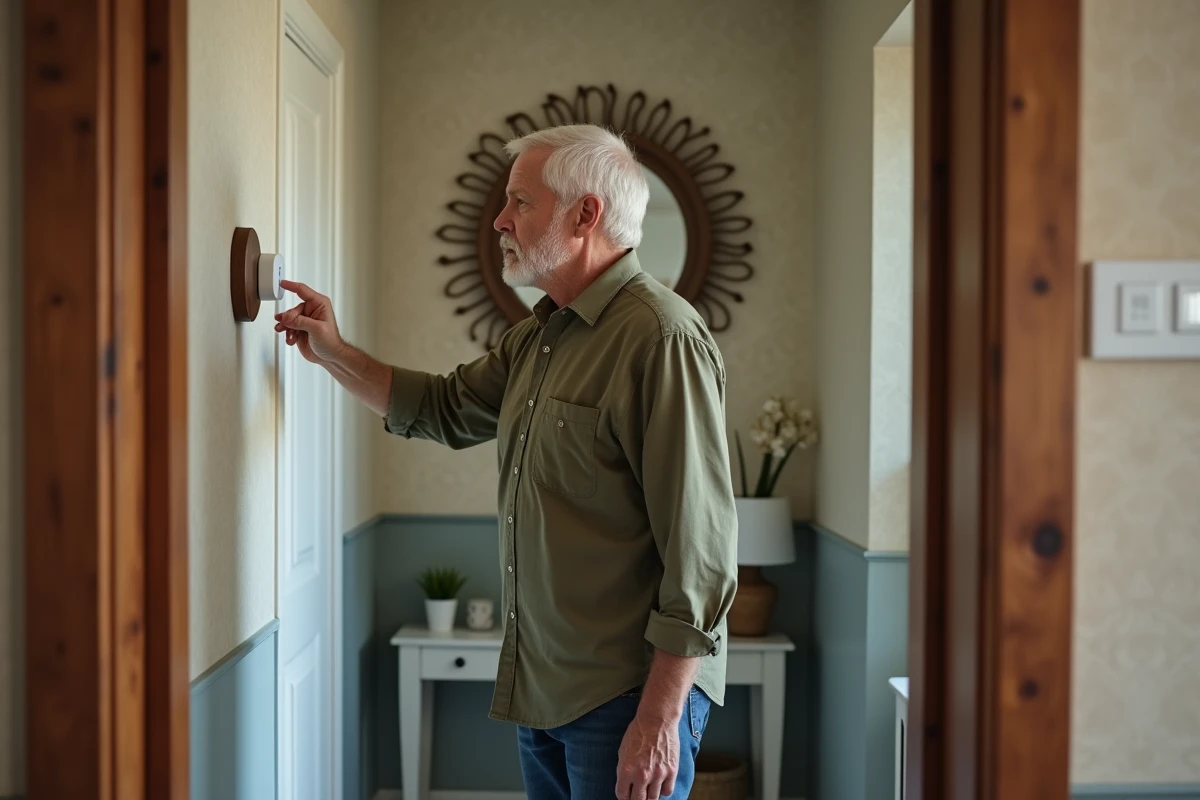
Concrete and accessible solutions to sustainably improve your home
Energy renovation is not reserved for a minority. It is the way to go for those who want to combine comfort and sobriety. An energy audit or energy performance diagnosis (DPE) helps identify the weaknesses of the home and establish clear priorities. Starting with insulation—roof, walls, floors—ensures visible savings, both in winter and summer. Strengthening joinery, whether windows or doors, improves energy performance and home security.
To go further, investing in efficient heating, such as a heat pump, condensing boiler, or wood stove, makes a difference, especially if the system is accompanied by appropriate ventilation. Installing a mechanical ventilation system (VMC) or a dual-flow system ensures consistent air quality and sustainably limits humidity, a source of many inconveniences.
The state offers several levers to accelerate these works: financial aid, tax credits, energy bonuses, zero-interest loans, Anah programs… These measures make renovations more accessible and allow for more than one might have imagined. It would be a shame to neglect daily actions: regular maintenance of heating, precise adjustment of the water heater, a water saver on faucets. These low-cost actions contribute to overall performance and budget control.
| Priority Works | Impact | Support |
|---|---|---|
| Thermal insulation | Reduction of energy losses, increased comfort | Craftsman, project manager |
| Heating modernization | Lower bills, thermal regulation | Architect, certified installer |
| Ventilation improvement | Air quality, humidity reduction | Ventilation specialist |
Optimizing your home means choosing a little more balance between savings, well-being, and quality of life every day. Through small adjustments or major transformations, the home adapts and evolves, until it becomes a place where one can finally breathe, truly.